LM Forklift
Choosing the right mast height for your warehouse can significantly impact efficiency and safety. A well-selected mast height provides optimal space utilization and enhances productivity. The right decision involves understanding the specific needs of your warehouse environment.
When considering how to choose the right mast height for warehouse operations, think about your storage requirements and available space. For instance, high racks need taller masts, but not all environments warrant them. Evaluate the types of goods you handle and how often they are moved. These factors play a crucial role in determining the optimal height.
In addition, consider the safety and comfort of your team. A mast that is too high can lead to accidents or equipment wear. Balance is key. It's easy to make a quick decision based on assumptions, but investing time in assessment is wise. Reflect on the long-term implications of your choice.
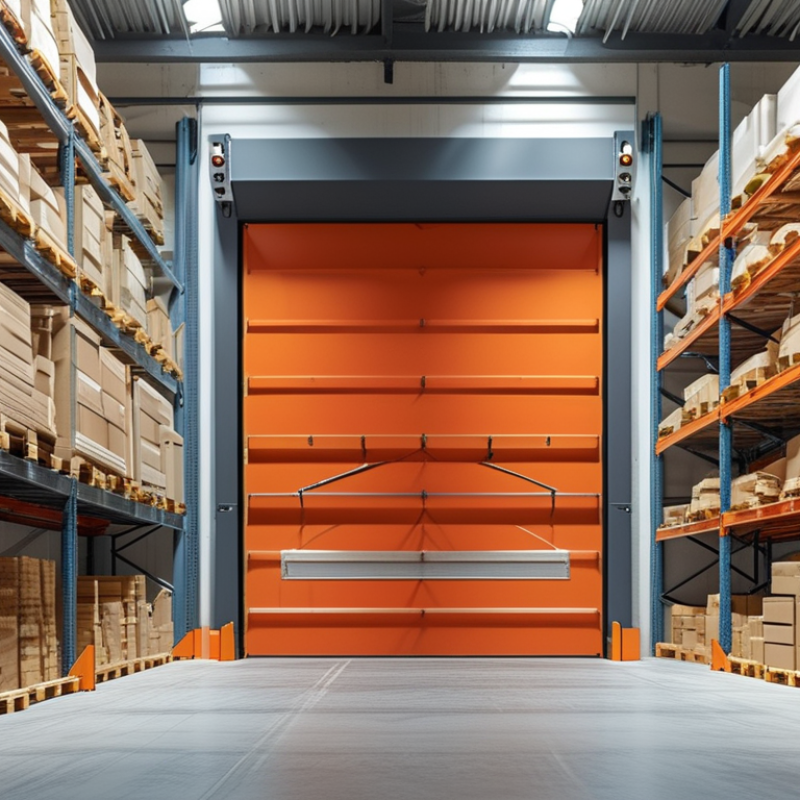
Choosing the right mast height for your warehouse hinges on understanding your specific layout and space constraints. When assessing your warehouse, consider the height of shelves and the overall storage capacity. A higher mast can allow for storing more items vertically but can also limit maneuverability in tighter spaces. Analyze the dimensions of your aisles. Too narrow an aisle prevents effective usage of taller masts.
Evaluate your items and their handling requirements. Some products may not be suitable for high storage due to weight or size. The design of your racking system will also influence your selection. A mismatched system can lead to accidents or inefficient space use. Recognize the balance between maximizing storage and maintaining safety; both factors are crucial for operational efficiency.
In creating a layout, consider future growth. Your current mast height may work now, but needs can change. This foresight can prevent costly renovations later. Reflect on your existing processes. Are they streamlined, or do they create delays? Adjusting mast height isn't just about numbers; it's about improving workflows.
When assessing the right mast height for your warehouse, understanding load capacity is crucial. Load capacity affects safety and efficiency in operations. Forklifts with different mast heights handle varying weight limits. Taller masts often reduce load capacity due to balance concerns. Consider the maximum weights you typically lift. Knowing this will help narrow down your options.
Equipment compatibility is another significant factor. Not all lifts are suitable for every mast height. Make sure your chosen mast can work with your equipment. Ensure that aisles in your warehouse are wide enough for taller masts. Try to visualize how the lift will perform in your space. It’s essential to check safety protocols when working with heavier loads and taller heights. The goal is seamless and safe operation.
Reflecting on your specific needs can lead to adjustments in operations. Sometimes, warehouses overlook changes in inventory. As your business evolves, height and capacity requirements may change too. Regular evaluations of mast height may prevent future challenges. It’s an ongoing process that requires attention and foresight.
When selecting the optimal mast height for your warehouse, it’s essential to consider the specific racking system in use. Different systems, such as selective racking, drive-in racking, or pallet flow racking, each have unique height requirements. According to a report from the Warehousing Education and Research Council, nearly 70% of warehouse space is wasted due to improper mast height choices. This highlights the significance of accurate mast height determination.
For selective racking systems, a common industry practice recommends a mast height that allows for at least six inches of clearance from the top of racks to the lifting mechanism. This prevents load damage and enhances safety. In contrast, when using drive-in racking, the height can be 8 to 10 feet depending on specific pallet and beam specifications. Each type requires a tailored approach.
Addressing the mast height can be complex. An ill-considered height may lead to reduced efficiency during loading and unloading. It’s crucial to evaluate the vertical space and ceiling height of your facility. Regular reviews of usage patterns can help optimize heights over time. Ultimately, balancing efficiency, safety, and functionality is key to determining the right mast height for any storage system.
When selecting the right mast height for your warehouse, safety regulations and industry standards play a crucial role. Understanding these guidelines ensures the well-being of your workers and enhances operational efficiency. Different industries may have specific requirements regarding lift heights and load capacities. Adherence to these standards helps prevent accidents and promotes a safer work environment.
**Tips:** Always check local regulations. They often dictate maximum lift heights. Familiarize yourself with OSHA regulations, as they provide a solid foundation for safety. Additionally, consult with industry experts to ensure compliance with the latest standards. Seek guidance when measuring your warehouse. The right height can prevent misuse and accidents.
Alongside safety, evaluating your operational needs is vital. High masts may be ideal for storage, but they can pose risks without proper training and equipment. Operators must be equipped with safe practices when handling loads at height. Regular training refreshers can help maintain a culture of safety. Mindful assessment of your facility's layout will help you avoid potential hazards.
**Tips:** Conduct regular safety audits to identify potential issues. Involve your team in discussions around safety practices. Consistent communication can bridge gaps in understanding and improve overall safety.
When selecting the right mast height for warehouse operations, flexibility and future expansion are critical aspects. According to a report by the Warehouse Association, nearly 70% of warehouses plan to expand within the next five years. Choosing a mast height that accommodates current and projected inventory needs can prevent costly adjustments later. A height that provides 20% extra space is often recommended to meet varying demands.
Employing adjustable racks allows for easy modifications. Many companies overlook this, leading to inefficient space utilization. Studies show that optimal mast height can boost operational efficiency by 15% when properly aligned with growth strategies. Assessing the shelf heights can help determine the mast requirements. A detailed analysis ensures that the chosen height can handle potential increases in product variety and volume over time.
Transitioning your warehouse to support future needs demands foresight. It's about striking a balance between current capabilities and anticipated growth. Regular assessments of inventory turnover rates can fine-tune mast height configurations. Planning today can save headaches tomorrow. Investing in the right height today can significantly affect warehouse operations down the line.
| Mast Height (ft) | Recommended Storage Capacity (lbs) | Future Expansion Consideration | Flexibility Needs (High, Medium, Low) |
|---|---|---|---|
| 10 | 2,000 | Low | High |
| 15 | 3,000 | Medium | Medium |
| 20 | 4,500 | High | Low |
| 25 | 6,000 | Very High | Medium |
| 30 | 8,000 | Very High | Low |
: The specific racking system used plays a key role. Different systems have unique height requirements.
Nearly 70% of warehouse space could be wasted due to improper mast height. It affects efficiency and safety.
Ideally, maintain at least six inches of clearance from the top of racks to the lifting mechanism.
Heights can range from 8 to 10 feet, depending on pallet and beam specifications.
An incorrect height may lead to inefficiency during loading and unloading, reducing overall productivity.
Evaluate vertical space, ceiling height, and regularly review usage patterns for optimization.
Familiarize yourself with local regulations and OSHA standards to ensure compliance and promote safety.
Regular training refreshers teach safe practices for handling loads at height, reducing accident risks.
A mindful assessment of layout helps avoid potential hazards that may arise from improper height choices.
Conduct audits, involve the team in safety discussions, and maintain consistent communication about safety practices.
When considering how to choose the right mast height for your warehouse, it is essential to first understand the warehouse layout and existing space constraints. Analyzing these factors helps determine the most suitable mast height that accommodates racking systems while ensuring optimal load capacity and equipment compatibility. Additionally, it's crucial to assess safety regulations and industry standards, as compliance is vital for operational safety.
Furthermore, taking into account potential future expansions and the need for flexibility will influence your mast height decision. By evaluating all these aspects, you can make an informed choice that not only meets current warehouse needs but also adapts to future requirements. This comprehensive approach ensures that the mast height supports efficiency and safety within your warehouse operations.
