What Is a Daily Inspection Checklist for Electric Forklifts?

Time:2026-09-29 Author:Henry
0%

What is the daily inspection checklist for electric forklifts? It is a practical, shift-start review—not a substitute for scheduled maintenance or the manufacturer’s instructions. Before moving a load, the operator should check the tires, forks, overhead guard, seat belt, warning devices, and visible electrical cables. Look for fresh fluid beneath the truck. Check the battery area for damage, loose connections, or unusual heat. Small clues matter.

Safety researcher James Reason wrote, “We cannot change the human condition, but we can change the conditions under which humans work.” A consistent inspection routine puts that idea into practice. It gives operators a quiet moment to spot problems before a forklift enters a busy aisle. Test the horn, brakes, steering, lights, and lift controls in a clear area. Confirm that the parking brake holds. If a control responds unevenly, do not dismiss it as “probably fine.” That judgment can be wrong.

Record defects clearly, including the truck number and the symptom observed. Follow your site procedure for reporting and removing unsafe equipment from service. Requirements and checklist details can vary by truck model, workplace, and manufacturer guidance, so verify them against the operator’s manual. A checklist helps, but it cannot replace sound judgment. Nor does a completed form prove every component is safe. The honest answer is sometimes uncomfortable: inspections depend on people noticing details, and people can miss them. Use the checklist anyway—and make it specific to the truck in front of you.
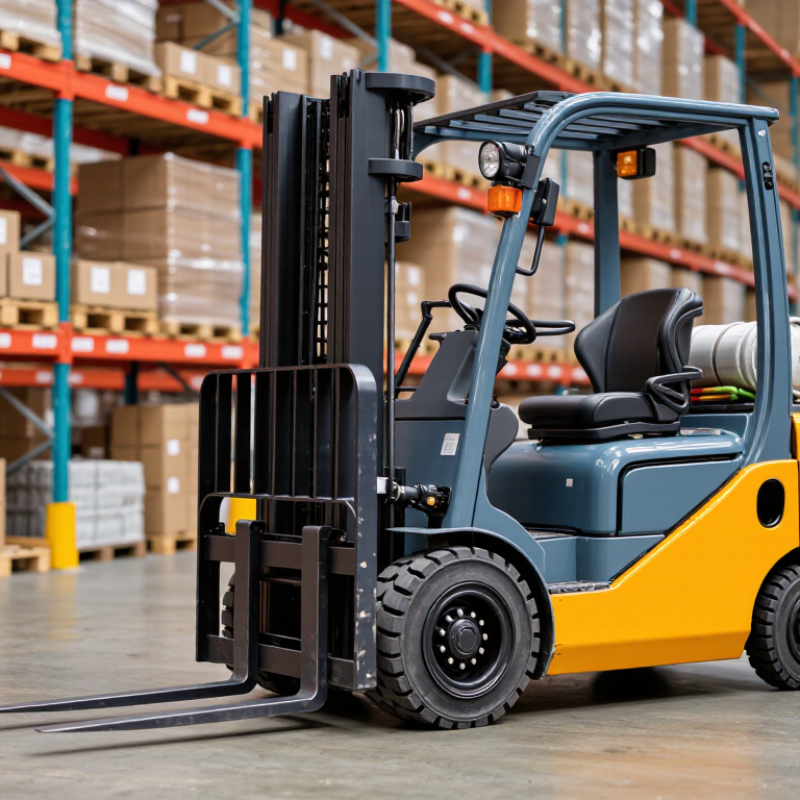
What Is a Daily Inspection Checklist for Electric Forklifts?

What a Daily Electric Forklift Inspection Checklist Covers

A daily electric forklift inspection checklist covers more than a quick look at the tires. Before operation, the operator records the date, machine identification, battery condition, and meter reading. Loose cables, damaged plugs, exposed wires, and unusual heat require attention. Battery connectors should be dry and secure. Charging areas need ventilation and clear access. Keep it visible.

The checklist then moves to physical condition. Inspect forks for cracks, bending, and uneven wear. Check the locking pins and heel areas closely. Examine the mast, chains, rollers, overhead guard, and load backrest. Look for hydraulic leaks beneath the truck. Tires should have usable tread and no deep cuts. Small damage can worsen under a heavy load. Do not guess.

Functional checks should be performed in a clear, controlled area. Test the service brake, parking brake, steering, lift, lower, tilt, and travel controls. Confirm that the horn, lights, reverse alarm, and warning indicators work. Check the seat belt and operator restraint. Any unusual vibration, delay, smell, or noise deserves a written note, even when the forklift still moves.

In real workplaces, the strongest checklist includes space for defects, corrective action, and the inspector’s name. A supervisor should review unresolved issues before release. Do not operate a forklift with a safety-critical defect; isolate it and report it through the site procedure. Checklists are not perfect. People may tick boxes too quickly or miss a leak behind a wheel. Record it clearly. A slow, hands-on inspection remains necessary.

How to Check the Forklift’s Exterior and Safety Equipment

A daily inspection checklist for electric forklifts should begin with the exterior. Walk around the truck before turning it on. Look for cracks, bent panels, loose bolts, and fresh oil or hydraulic leaks. Check the tires for cuts, flat spots, and embedded debris. Uneven wear may affect steering and stability.

Inspect the forks carefully. Their tips should not be excessively worn, bent, or cracked. Check the mast, lift chains, carriage, and backrest for damage or unusual movement. Examine the battery compartment and charging connector for heat marks, damaged cables, corrosion, or loose connections. Do not operate the forklift if electrical parts appear exposed or unsafe.

Then test the safety equipment from the operator’s position. Confirm that the seat belt locks correctly and that the seat is secure. Test the horn, warning lights, reverse alarm, brakes, steering, and parking brake in a clear area. Check that the overhead guard is intact and that visibility is not blocked by dirt or stored items. Keep hands away from moving components.

Small details matter. A weak alarm can be overlooked in a noisy warehouse. A cracked fork may look harmless during a rushed check. It is not. Record each defect clearly and remove the forklift from service when safe operation is uncertain. A checklist helps, but it cannot replace careful judgment.

How to Inspect the Battery, Charger, and Electrical Components

A daily inspection should begin with the battery area before the electric forklift moves. Park on a level surface, lower the forks, apply the parking brake, and switch off power. Wear required protective equipment and follow the site’s written procedure. Power off first. Check battery cables for cuts, loose terminals, corrosion, or exposed conductors. Look for swelling, cracks, leakage, or an unusual smell around the battery case. For removable batteries, confirm the locking mechanism is secure and the connector is fully seated. Never touch damaged electrical parts with bare hands. A trained technician should handle repairs, electrolyte concerns, and internal battery faults.

Inspect the charger housing, plug, cable, and ventilation openings for damage or debris. Confirm the charger is dry and disconnected before examining its connectors. During charging, watch for excessive heat, smoke, sparking, or unusual noises. Stop charging and isolate the equipment if any warning sign appears. Do not improvise with fuses or connectors.

Test the horn, lights, display, emergency isolation switch, and direction controls. Check that wires are routed away from moving parts and show no crushed insulation. Record defects, battery condition, charger status, and the inspector’s name before release. In field inspections, rushed checks are common. That weakness deserves correction. If a reading seems abnormal, compare it with the equipment manual or qualified service guidance. Do not return the forklift to work until the fault is assessed and cleared.

What Is a Daily Inspection Checklist for Electric Forklifts?

How to inspect the battery, charger, and electrical components before each shift

Inspection Area What to Check Inspection Method / Acceptable Condition Result / Action
Battery condition Case, cover, hold-downs, and visible damage Look for cracks, swelling, leaks, loose restraints, or unusual residue. Keep the battery secured and its compartment clear of loose objects. Pass / Fail / N/A
Report damage; do not operate if unsafe.
Battery cables and terminals Cables, connectors, terminal area, and insulation Check for fraying, cuts, exposed conductors, corrosion, looseness, or heat damage. Do not touch exposed conductors or attempt repairs while energized. Pass / Fail / N/A
Tag out and report defects.
Battery charge level Charge indicator or approved battery-monitor display Confirm the indicated charge is adequate for the planned shift and that no battery fault or temperature warning is displayed. Follow the equipment instructions; there is no single charge threshold for all batteries. Pass / Fail / N/A
Recharge or report a warning.
Flooded lead-acid battery Electrolyte level and vent caps If trained and authorized, inspect only as directed by the battery instructions. Wear required protective equipment. Use distilled or deionized water when topping up is required; avoid overfilling. Do not open sealed batteries. Pass / Fail / N/A
Follow site procedure.
Lithium-ion battery Battery indicators, casing, and fault messages Check the external display and visible casing only. Do not open the battery enclosure or bypass a battery-management-system warning. Pass / Fail / N/A
Report warnings or damage.
Battery connector Connector body, contacts visible from outside, and secure fit Look for cracks, discoloration, melted areas, contamination, or loose fit. Disconnect only as trained and instructed; never pull a connector by its cable. Pass / Fail / N/A
Do not use a damaged connector.
Charger and power lead Charger enclosure, plug, cable, and connector Inspect for cuts, crushed sections, exposed wires, damaged pins, burning odor, or other visible damage. Keep the charger dry, ventilated, and unobstructed. Pass / Fail / N/A
Unplug safely and report damage.
Charging area Ventilation, housekeeping, and charging hazards Keep the designated area clear and follow posted charging procedures. For lead-acid charging, use the required ventilation and keep ignition sources away. Do not charge a visibly damaged battery. Pass / Fail / N/A
Correct hazards before charging.
Electrical controls Key switch, display, horn, lights, and warning indicators With the truck in a safe area, confirm controls respond normally and required lights and warnings work. Note fault codes; do not bypass interlocks or warning devices. Pass / Fail / N/A
Report faults before use.
Wiring and harnesses Visible wiring, conduit, and harness routing Look for loose, pinched, abraded, or hanging wiring and signs of heat or fluid damage. Do not remove covers or touch internal components during a routine inspection. Pass / Fail / N/A
Tag out if a safety-related fault is found.
Inspection record Operator, truck identification, date, and reported defects Record the inspection before operation according to site policy. Clearly note defects and notify the appropriate supervisor or maintenance personnel. Complete / Incomplete
Do not operate an unsafe truck.
Safety note: This checklist supports, but does not replace, the truck and battery operating instructions or site procedures. Only trained and authorized personnel should perform maintenance. If a defect could affect safe operation, stop using the forklift, secure it, and report the issue.

How to Test the Forklift’s Controls, Brakes, and Steering

A daily inspection of an electric forklift should test controls, brakes, and steering before any load is moved. Park on level ground, lower the forks, apply the parking brake, and switch off power. Check for cracked housings, loose wiring, leaks, or damaged pedals. I have found that small defects are easier to notice before the work area becomes noisy.

Turn the key on and test the horn, warning lights, direction selector, lift controls, and travel speed. Each control should respond smoothly without delay or unusual noise.

Test the service brake at walking speed in a clear area. The forklift should stop firmly and remain straight. Apply the parking brake, then confirm the truck does not creep. Test steering in both directions. The wheel should move smoothly, while excessive play or jerking requires attention.

Never continue operating when a brake, control, or steering fault affects safe handling. Record the problem and report it to a qualified technician.

Tips: Keep the inspection checklist beside the charging station. Use the same test route each day, but do not treat routine as proof of safety. A repeated check can still miss a worn pedal or weak brake response. Ask another trained operator to review uncertain findings. Do not guess. Cold floors, uneven surfaces, and a heavy battery can change how the forklift responds. Recheck after maintenance, even when the repair seems minor.

How to Record Inspection Results and Report Defects

A daily inspection checklist for an electric forklift should create a clear record, not just a quick signature. The operator should enter the date, shift, machine number, hour-meter reading, and name. Check the forks, mast, tires, steering, brakes, horn, lights, battery connector, and charging area. Look for cracked parts, loose cables, fluid leaks, or unusual sounds. Small details matter.

Each item should be marked as pass, fail, or not applicable. Write specific observations instead of using vague words like “bad.” For example, record “left tire has a 3-centimeter cut” or “brake pedal feels soft.” Add a photo when the defect is difficult to describe. The person completing the inspection should sign the record and report serious defects immediately to the responsible supervisor. A paper form or digital system can work, provided entries remain readable and traceable.

A failed item should receive an action, an owner, and a target repair time. If steering, braking, forks, or battery connections appear unsafe, the forklift should be removed from service according to site procedures. Attach a visible warning tag, and prevent informal reuse. A common mistake is recording a defect but not confirming closure. That gap needs attention. After repair, a competent person should verify the correction and update the original entry. The record should show what changed, when, and who checked it. A clean-looking forklift can still hide a serious fault.

FAQS

What should a daily electric forklift inspection record?

Record the date, machine identification, meter reading, battery condition, defects, corrective action, and inspector’s name. Clear notes help supervisors review unresolved issues.

What should operators look for around the battery?

Check for loose terminals, corrosion, damaged cables, cracks, swelling, leaks, and unusual smells. The battery connector should be dry and secure.

How should the charger be inspected?

Look over its housing, plug, cable, and ventilation openings for damage or debris. Stop charging if you notice smoke, sparking, excessive heat, or unusual noise.

Which forklift parts need a physical check?

Inspect forks, locking pins, mast, chains, rollers, overhead guard, load backrest, and tires. Look closely for cracks, bends, deep cuts, and hydraulic leaks.

Which controls and warning devices should be tested?

Test the horn, lights, display, direction selector, lift, lower, tilt, and travel controls. Check that the seat belt and operator restraint are in good condition.

How can operators check the brakes and steering?

Test the service brake at walking speed in a clear area. Confirm the truck stops firmly and stays straight; check that the parking brake prevents creeping.

What should happen when a safety-critical defect appears?

Do not operate the forklift. Isolate it, record the defect, and report it through the site procedure for qualified assessment.

Why is a written note useful when the forklift still moves?

A delay, vibration, smell, or odd noise may signal a developing fault. Small clues matter. Write them down and report them.

Can a completed checklist prove the forklift is safe?

No. A rushed tick can miss a leak behind a wheel or a worn pedal. Use a careful hands-on inspection, and recheck after maintenance.

Conclusion

What is the daily inspection checklist for electric forklifts? It is a practical safety routine used before each shift to confirm that the truck is clean, stable, and ready for operation. The checklist typically covers the exterior, forks, mast, guards, tires, warning devices, lights, seat belt, and emergency equipment. Operators should look for cracks, loose parts, leaks, unusual wear, or anything that could affect safe lifting and travel.

The inspection should also include the battery, charger connection, cables, plugs, and other electrical components, checking for damage, overheating, or exposed wiring. After that, the operator should test the controls, horn, brakes, parking brake, steering, lifting and lowering functions, and other operating features in a safe area. Every result should be recorded clearly, including the date, operator, and any defects found. If a problem could create a safety risk, the forklift should be removed from service and reported to the responsible supervisor before use.

Henry

Henry

Henry is a dedicated marketing professional with a profound expertise in the company's offerings. With years of experience in the industry, he possesses an impressive understanding of the market dynamics and consumer behaviors that drive success. Henry is committed to sharing his insights through......