LM Forklift
In the realm of material handling, battery choice is paramount. Many businesses often wonder, "What is the difference between lead acid and lithium forklift batteries?" This question offers critical insights into operational efficiency and costs. Industry reports suggest that lithium batteries can reduce energy costs by up to 30% compared to lead acid options. Lithium technology is also lighter, providing improved maneuverability and higher lifting capacities.
The lifespan of lithium batteries can reach up to 10,000 cycles, significantly outlasting lead acid batteries, which average 1,500 cycles. This longevity can minimize downtime and maintenance costs. However, the initial investment for lithium is higher, causing hesitation among some operators. Understanding these nuances is crucial for making informed decisions.
Transitioning from lead acid to lithium isn't without challenges. Many manufacturers and operators must consider infrastructure changes and training needs. This can be daunting but necessary for efficiency improvements. Evaluating these differences is vital in adapting to modern logistics demands while leveraging the advantages that each battery type offers.
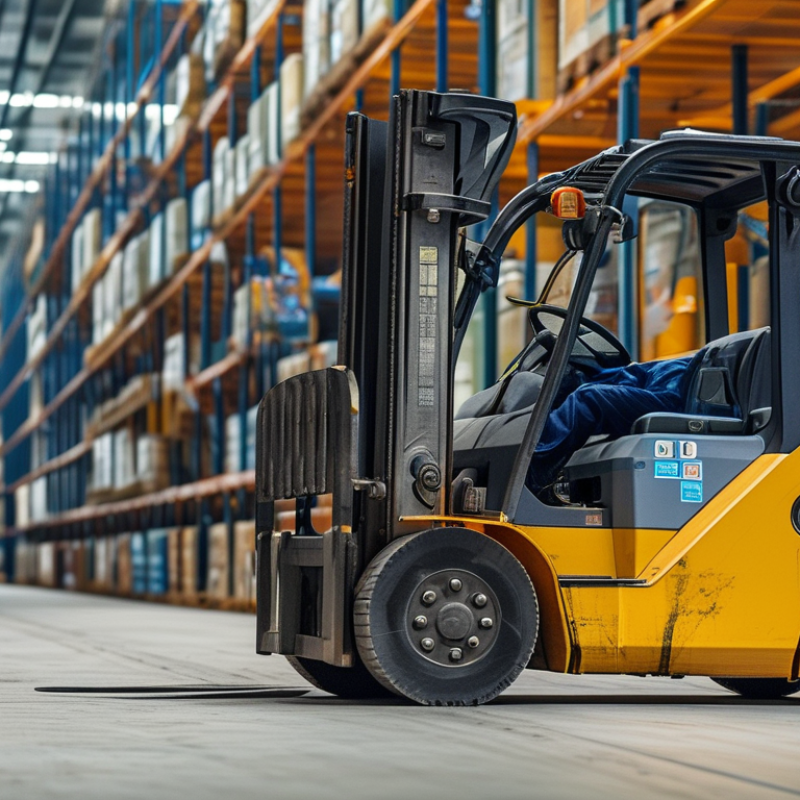
When choosing forklift batteries, understanding the various types is essential. Lead acid batteries have been the standard for many years. They are reliable and cost-effective, making them popular in many industries. These batteries require regular maintenance, including watering and equalizing charges, which can take time.
On the other hand, lithium batteries are gaining traction. They are lighter and more energy-dense than lead acid. These batteries charge faster and offer longer lifespans. However, their initial costs are often higher, which may deter some businesses. It’s crucial to weigh longevity against upfront expenses.
The decision between lead acid and lithium comes down to specific needs. Evaluating the application environment, usage patterns, and maintenance capabilities plays a significant role. While both types have their merits, they also present challenges. Understanding these nuances can help businesses make informed decisions.
Lead acid batteries have been a staple in forklift applications for decades. They are known for their robust construction and reliability. These batteries typically contain lead and sulfuric acid, providing a good balance between power output and lifespan. However, they can be heavy and may require regular maintenance to ensure optimal performance. Users must frequently check electrolyte levels and battery connections to prevent issues.
Tips: To maintain lead acid batteries, keep them charged regularly. Avoid deep discharges, as this can shorten their lifespan.
One notable characteristic of lead acid batteries is their initial cost-effectiveness. They have a lower upfront price compared to lithium batteries. Nevertheless, the maintenance costs can accumulate over time, impacting overall expenses. Additionally, they perform well in moderate temperatures but may struggle in extreme conditions. This makes their performance somewhat variable.
Tips: Always store lead acid batteries in a cool, dry place to enhance longevity. Regular cleaning can prevent corrosion on terminals.
Lithium batteries have gained significant traction in recent years, especially in forklift applications. One of their main characteristics is a higher energy density compared to lead-acid batteries. This allows for reduced weight and size, which can lead to increased efficiency in material handling. Operating costs tend to be lower, as lithium batteries charge faster and last longer. However, the upfront cost may cause hesitation for some users.
Another important aspect is their lifespan. Lithium batteries typically last two to three times longer than lead-acid types. This can result in less frequent replacements, contributing to lower overall maintenance costs. Additionally, lithium batteries can perform better in extreme temperatures, making them more reliable in various working environments. Despite these advantages, some users may still find the technology daunting, requiring a deeper understanding of management systems for optimal performance.
Lithium batteries also require careful management. They need advanced charging methods to avoid damage and ensure longevity. Users should be aware of the specific charging equipment needed for these batteries. The transition from lead-acid to lithium may present challenges, and not all operations are suited for this shift. Careful evaluation is essential to ensure that the benefits truly outweigh the initial complexities involved.
When comparing lead acid and lithium forklift batteries, performance and lifespan emerge as critical factors. Lead acid batteries typically last around 1,500 cycles, while lithium batteries can reach over 5,000 cycles. This significant difference indicates that lithium batteries are more suitable for operations requiring longer runtimes. Additionally, lithium batteries charge faster, reducing downtime significantly.
Tips: Always consider application needs. Assess how often your forklifts are in use. This will inform your choice of battery.
Lead acid batteries are heavier and bulkier. This added weight affects the overall efficiency of the forklift. In contrast, lithium batteries are lighter and allow for more agile operations. However, they may require careful handling and monitoring. Understanding your operational demands can help in choosing the right option.
Tips: Regularly maintain your forklifts. This can maximize the lifespan of your chosen battery type. Keep in mind, simple adjustments may lead to improved performance. Each environment is unique, so reflect on the specific needs of your operations.
The choice between lead-acid and lithium forklift batteries significantly impacts operational costs. Lead-acid batteries are cheaper upfront but often require frequent maintenance. Over time, the total cost of ownership can rise due to replacements and energy efficiency issues. A facility using lead-acid batteries may face additional labor expenses for battery care. This can add up quickly, affecting the bottom line.
Lithium batteries, though more expensive initially, offer longer lifespans and better efficiency. They charge faster and require less downtime. This aspect can lead to increased productivity. Facilities may need fewer batteries overall, reducing replacement costs and maintenance. However, the high initial investment can be a barrier for some. Businesses must weigh these factors against potential savings.
Considering environmental impact is also vital. Lead-acid batteries can have hazardous waste concerns. Meanwhile, lithium batteries, though also needing responsible disposal, are more efficient in energy use. Companies must reflect on their choices carefully. A cost-effective solution today might not be sustainable in the future.
: The main types are lead acid and lithium batteries. Each has unique benefits and challenges.
They are reliable and cost-effective, making them a common choice in various industries.
Users need to regularly check electrolyte levels and perform equalizing charges for optimal performance.
Lithium batteries are lighter, charge faster, and have longer lifespans, but they usually cost more upfront.
Evaluate application environment, usage patterns, and maintenance capabilities to make informed choices.
They can be heavy and require consistent maintenance, which can be time-consuming for users.
Yes, store them in a cool, dry place and keep connections clean to prevent corrosion.
They perform best in moderate temperatures but may struggle in extreme conditions.
Deep discharges can significantly shorten their lifespan, affecting overall performance.
Consider both initial costs and long-term maintenance expenses for a complete financial picture.
The article titled "What is the difference between lead acid and lithium forklift batteries?" provides a comprehensive overview of the two most common types of forklift batteries. It begins by outlining the fundamental characteristics of lead acid batteries, highlighting their robust nature and established history in industrial applications. However, the drawbacks, including longer charging times and shorter lifespan, are also discussed.
In contrast, the article reveals the advanced features of lithium batteries, which offer faster charging times, extended operational life, and overall efficiency improvements. A comparative analysis further illustrates the performance and lifespan differences between the two battery types. Lastly, the article addresses cost considerations, emphasizing the long-term economic impact of choosing between lead acid and lithium options. This thorough examination equips readers with essential insights into making an informed decision based on their specific operational needs and budgetary constraints.
