LM Forklift
Troubleshooting an electric stacker's squeaking noise can be frustrating. You might wonder, "Why does my electric stacker make a squeaking noise?" Understanding the factors behind this sound is essential. Often, the noise can stem from various mechanical issues or wear and tear over time.
Electric stackers undergo continuous stress during operation. Components like wheels, bearings, and lifts can become misaligned or inadequately lubricated. This can lead to irritating noises that not only disrupt your workflow but may also indicate potential problems. It is crucial to pinpoint these noises early to avoid further damage.
Ignoring the squeaks may lead to more significant issues down the line. Regular maintenance plays a key role in ensuring optimal performance. Keep an eye on your stacker and listen closely for unusual sounds. By identifying the source of the squeak early on, you can prevent costly repairs and ensure smooth operations.
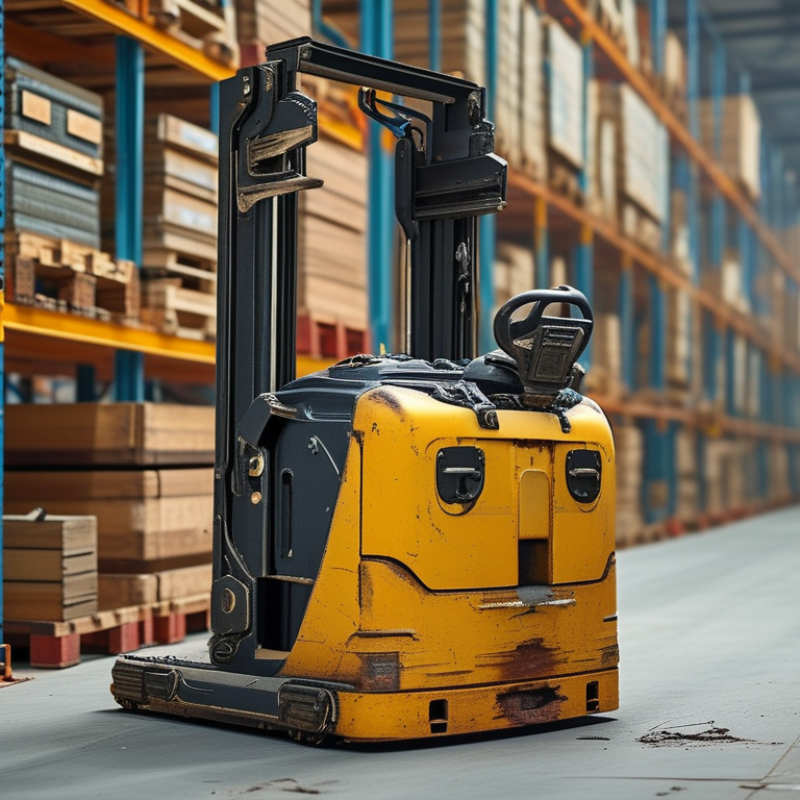
Squeaking noises from electric stackers can be frustrating. Identifying the common causes is key to fixing the issue effectively. One common reason for this unsettling sound is lack of lubrication in moving parts. Without adequate lubrication, metal parts rub together, causing squeaks. Regularly checking and applying the right lubricant ensures smooth operation.
Another culprit may be worn-out components. Over time, bearings, wheels, and chains experience wear and tear. Inspecting these parts helps identify any that require replacement. If you notice abnormalities, swift action can prevent further damage and reduce noise. Listening for these sounds can save you time and money in the long run.
Regular maintenance is vital. Create a schedule for routine check-ups on your stacker. During these inspections, examine all joints and pivots for signs of rust or grime buildup. A clean workspace also contributes to equipment longevity.
Pay attention to how the stacker sounds when in use. This simple habit encourages early detection of potential issues. Trust your instincts; if something seems off, investigate further. This proactive approach not only silences the squeaks but prolongs the life of your electric stacker.
This bar chart illustrates the common causes of squeaking noises in electric stackers, showing the frequency of each issue found during maintenance checks.
Regular maintenance is crucial for preventing squeaking noises in electric stackers. When components become worn or improperly lubricated, friction increases. This leads to annoying squeaks that can disrupt operations. Regular inspections help identify wear patterns before they escalate. A simple check can often mitigate issues before they become pronounced.
Cleaning your stacker regularly is essential. Dust and debris can accumulate, causing components to rub against each other. This can result in unwanted sounds. Ensure that all moving parts are free of obstructions. Applying the right lubricant can also play a significant role. Over time, grease can dry out or become contaminated, leading to additional noise.
Ignoring these maintenance practices can lead to bigger problems. A squeaky stacker may signal deeper issues, such as misalignment or failing parts. Investing time in routine checks can enhance performance and extend the lifespan of the equipment. Consider developing a maintenance schedule that includes lubrication, inspections, and cleaning. While it may seem daunting, the cost of inaction can be much higher.
Electric stackers are vital for warehouse operations. However, they can develop squeaking noises over time, signaling the need for lubrication. Proper lubrication of moving parts not only extends the equipment lifespan but also enhances operational efficiency. According to industry reports, poorly maintained equipment can lead to productivity losses of up to 20%. Therefore, regular maintenance is crucial.
Begin by identifying all moving parts that are prone to friction. These typically include wheels, forks, and lift mechanisms. Use a high-quality lubricant that suits your electric stacker. Apply the lubricant sparingly to avoid over-saturation, which can attract dust and dirt, potentially causing more noise. While many operators assume that "more is better," this can result in contrary effects. It's essential to wipe away any excess after application.
Periodic checks are important. It’s advisable to inspect the stacker every month, especially in high-use scenarios. Regular observations can reveal patterns of wear, indicating parts that need replacement. A squeaking sound is not just annoying; it can be a warning sign of deeper issues. Addressing these concerns early can prevent costly downtime. Effective maintenance integrates both lubrication and vigilant care.
Inspecting and replacing worn components is crucial for reducing squeaking noises in your electric stacker. Start by checking the wheels and wheel bearings. Look for signs of wear, such as cracks or discoloration. Replace any worn bearings to ensure smooth operation. Pay attention to the forklift's hydraulic system as well. A low fluid level can lead to excess noise.
Inspect the mast and forks too. This area is often overlooked. Look for any signs of damage or misalignment. Tighten loose bolts around the mast assembly. A loose connection can cause unnecessary grinding sounds. In many cases, simple adjustments can make a significant difference.
Lubrication is key in maintaining your stacker. Regularly grease moving parts like pivot points and wheel axles. Use the appropriate lubricant for your machine. This can prevent squeaks and extend the lifespan of components. Don't forget to clean the stacker regularly, as dirt and debris can also contribute to noise.
Squeaking noises in electric stackers can be disruptive and indicate underlying issues. To minimize these complaints, focus on safe operation practices. Regularly inspect your stacker for signs of wear. Check wheels, forks, and joints for dirt or damage. Cleaning these components can prevent squeaking.
Proper loading techniques are also crucial. Ensure loads are balanced and within weight limits. Overloading can increase strain on the machine. When operating, avoid sudden movements. Smooth, controlled maneuvers help reduce stress on parts.
Routine maintenance checks are essential. Lubricate moving parts regularly to avoid friction. This not only reduces noise but extends the equipment's lifespan. Sometimes, squeaking may indicate more severe issues. Listen closely and take action before minor issues escalate. Regular training for operators can reinforce these best practices.
: Regular maintenance prevents squeaking noises. It helps identify wear patterns and avoids escalation into major problems.
Dust accumulation can cause components to rub against each other, leading to unwanted sounds and operational disruptions.
Identify moving parts like wheels and forks. Apply a high-quality lubricant sparingly to avoid over-saturation.
Ignoring maintenance can lead to deeper issues. A squeaky stacker may indicate misalignment or failing components.
Monthly inspections are advisable, especially in high-use scenarios, to catch wear patterns early and prevent downtime.
Always ensure loads are balanced and within weight limits. Overloading increases strain and can lead to mechanical issues.
Smooth, controlled movements reduce stress on parts. Sudden movements can increase the likelihood of squeaking noises.
Squeaking may signal underlying issues. Early detection and response are crucial to prevent minor problems from escalating.
Using too much lubricant can attract dust and dirt, potentially worsening noise issues and equipment performance.
Regular training reinforces safe operation practices. It can lead to better maintenance habits and fewer disruptions in operations.
Squeaking noises in electric stackers can be a common issue that raises the question, "Why does my electric stacker make a squeaking noise?" Identifying the root causes, such as worn components or inadequate lubrication, is essential for resolving these annoying sounds. Regular maintenance plays a crucial role in preventing squeaking; it helps ensure that all moving parts are properly lubricated and that any damaged components are replaced promptly.
To address the noise effectively, operators can follow a step-by-step guide to lubricate the moving parts of the electric stacker, which can significantly reduce friction and noise levels. Additionally, regular inspections for wear and tear can help identify issues before they escalate. Adopting best practices for safe operation not only enhances performance but also minimizes the likelihood of squeaking, ensuring a smoother and more efficient handling experience.
