Top Ways to Waterproof Electric Warehouse Equipment

Time:2026-10-14 Author:Liam
0%

Water, dust, cleaning chemicals, and temperature changes can quietly damage electric warehouse equipment. Forklifts, pallet trucks, conveyors, and charging systems often work near wet floors or open loading bays. Learning how to waterproof electric warehouse equipment begins with understanding exposure, not simply adding a plastic cover.

Mike Holt, an electrical safety educator, reminds teams, “Safety is not expensive; it is priceless.” That principle applies to waterproofing decisions. A sealed battery compartment, protected connector, correctly rated enclosure, and intact cable gland can prevent a small splash from becoming a costly failure. IP ratings also matter. An enclosure rated for light splashes may not survive pressure washing. These details are easy to overlook.

Water finds weaknesses.

This guide explores practical methods for reducing moisture risks without creating false confidence. It considers inspection routines, drainage, seal replacement, connector protection, charging-area design, and safe cleaning practices. Equipment should be switched off before inspection, and damaged insulation should never be ignored. Manufacturer instructions remain essential because waterproofing a control panel can affect cooling, servicing, or warranty conditions.

A perfect seal is not permanent. Seals harden, covers warp, and repeated vibration opens tiny gaps. That is where experience becomes valuable. Maintenance records, photographs, and simple moisture checks can reveal patterns before downtime occurs. Still, some recommendations may need adjustment. A warehouse beside the coast faces different risks from an indoor facility with occasional spills. The goal is not to make every machine waterproof forever. It is to control exposure, verify protection, and question assumptions before water causes an electrical or operational hazard.
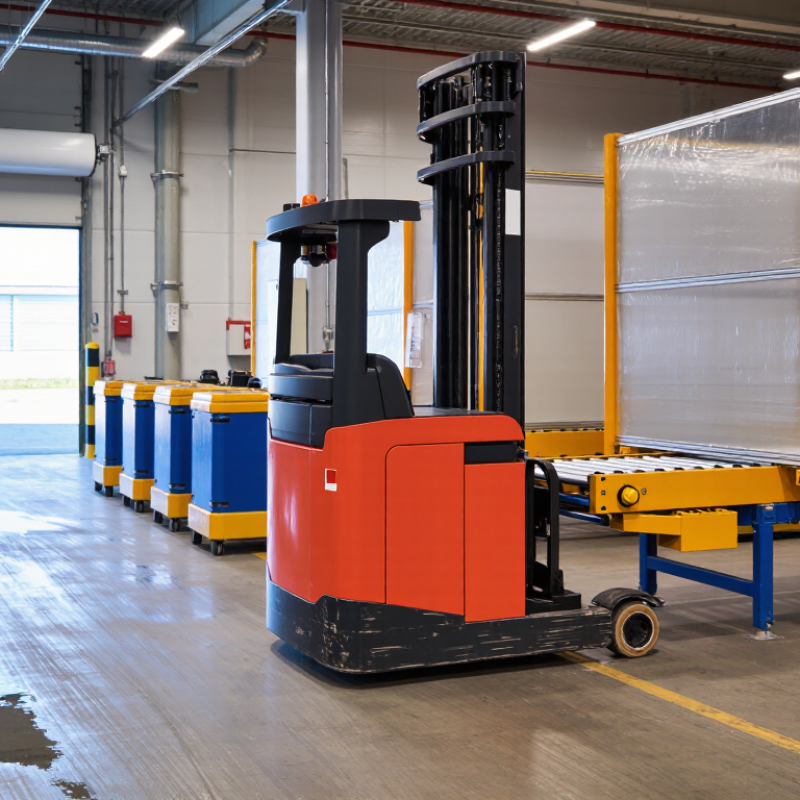
Top Ways to Waterproof Electric Warehouse Equipment

Understanding Water Exposure Risks in Warehouse Equipment

Electric warehouse equipment faces more water risk than a visible spill suggests. Roof leaks, floor washdown, condensation, and wet pallets can expose motors, control panels, scanners, and charging connections. Water may enter through cable glands or small housing gaps. It can also travel along a cable into a dry enclosure.

In field inspections, I check the lowest points first. Pooled water often collects beneath mobile equipment, where corrosion begins quietly. Damp connectors may still operate during one shift, then fail after repeated heating and cooling. Condensation is especially deceptive. A cold metal panel can attract moisture when warm warehouse air reaches its surface. The damage may appear days later.

Look for rust around fasteners, cloudy sensor covers, discolored insulation, and loose sealing materials. An enclosure’s ingress rating helps, but it does not make equipment waterproof under every condition. Ratings should match the actual exposure, including spray direction and cleaning pressure. Keep connectors elevated where possible, seal unused cable entries, and route cables with drip loops. Never assume a dry exterior means a dry interior. That assumption causes trouble.

Waterproofing plans should also consider drainage and maintenance access. Sealing every opening can trap moisture inside. I have seen well-intended repairs hide corrosion rather than stop it. Regular checks with insulation-resistance testing and visual inspection provide stronger evidence than appearance alone. Small failures deserve attention. They rarely stay small.

Selecting Waterproof-Rated Electrical Components and Enclosures

Top Ways to Waterproof Electric Warehouse Equipment

Selecting waterproof-rated electrical components and enclosures is the safest starting point. Check the required IP rating before installation, not after water enters the cabinet. The first number indicates protection from solids. The second shows resistance to moisture. Match that rating to the warehouse environment.

For washdown areas, choose sealed switches, connectors, cable glands, and junction boxes. Stainless or corrosion-resistant enclosures usually perform better near cleaning chemicals. Every cable entry needs a properly sized gland. A loose entry can defeat an otherwise strong enclosure. Keep doors aligned, and inspect the gasket for cuts or flattening. Small gaps matter.

Tips: Record the IP rating, inspection date, and enclosure location. Test seals after maintenance. Do not drill extra holes without restoring the enclosure’s rating. In practical audits, rushed cable routing often causes failures. This is easy to overlook. Also, a higher rating is not automatically better for every application. Heat can build inside tightly sealed boxes, especially beside motors or charging equipment. Review temperature, condensation, cleaning methods, and drainage before choosing components. The perfect enclosure on paper may still fail in a damp corner. Expect to revise the plan.

Top Ways to Waterproof Electric Warehouse Equipment - Selecting Waterproof-Rated Electrical Components and Enclosures

Warehouse Application Recommended Minimum Protection Suitable Component or Enclosure Important Selection Criteria Inspection and Maintenance Guidance
Dry indoor storage areas
Low moisture and no routine washdown
IP54 or higher
Provides protection against limited dust ingress and water splashes from any direction.
Sealed junction boxes, cable glands, push buttons, indicator lights, and control cabinets. Check dust levels, ambient temperature, enclosure dimensions, cable-entry size, and required clearances for heat dissipation. Inspect seals and cable entries at least annually or according to the site risk assessment.
Areas exposed to condensation or occasional leaks
Loading bays, chilled zones, and exterior-facing walls
IP65 or higher
Dust-tight and protected against water jets from any direction when properly installed.
Gasketed polycarbonate, stainless-steel, or coated-metal enclosures with sealed conduit fittings. Use a continuous gasket, sloped top where practical, drain or breather accessories where approved, and corrosion-compatible fasteners. Look for cracked gaskets, condensation, rust, loose fasteners, and blocked drain paths every three to six months.
Routine hose-down cleaning
Washable floors and equipment zones
IP66 or higher
Dust-tight and protected against powerful water jets.
Washdown-rated control stations, motor connection boxes, sensors, connectors, and sealed disconnect enclosures. Confirm that every exposed component, connector, gland, and unused cable entry has an equal or higher rating than the system enclosure. Inspect after cleaning cycles; replace compressed, cut, or chemically damaged seals immediately.
High-pressure or hot-water cleaning
Intensive sanitation and heavy washdown
IP69 or IP69K where specified
Designed for high-pressure, high-temperature water testing under the applicable standard.
Robust metal or engineered-polymer enclosures, hygienic cable glands, sealed connectors, and washdown-rated operator controls. Verify the test standard, water temperature, spray pressure, spray angle, chemical compatibility, and equipment installation orientation. Check for water intrusion after cleaning and retighten or replace sealing components according to the maintenance procedure.
Temporary flooding or splash-prone low points
Floor-level equipment and sump-adjacent installations
IP67 for temporary immersion
Typically tested for temporary immersion up to 1 metre under defined test conditions.
Fully gasketed enclosures with sealed cable entries and components specifically rated for temporary immersion. IP67 does not automatically provide protection against powerful water jets; use a dual-rated solution such as IP66/IP67 when both hazards exist. Inspect after any flooding event before re-energizing; test insulation and replace compromised components as required.
Outdoor or semi-outdoor warehouse equipment
Rain, ultraviolet exposure, and temperature changes
IP65 to IP66
Select the rating according to rainfall, wind-driven water, cleaning method, and flood risk.
UV-resistant enclosures with weatherproof gaskets, sun shields, drip edges, and corrosion-resistant hardware. Confirm temperature range, UV resistance, condensation control, material compatibility, and protection from direct water accumulation. Inspect quarterly and after severe weather for fading, brittleness, corrosion, gasket shrinkage, and blocked ventilation accessories.
Corrosive or chemically exposed zones
Cleaning agents, salts, and humid environments
IP66 or IP69 plus material compatibility
Ingress protection alone does not guarantee corrosion resistance.
Appropriately selected stainless steel, engineered polymer, or coated enclosures with compatible gaskets and fasteners. Review chemical concentration, exposure time, temperature, galvanic compatibility, and the resistance of seals, cable jackets, and labels. Rinse approved surfaces when required, remove residue, and document corrosion findings during each scheduled inspection.
Conveyors, sorters, and mobile warehouse machinery
Vibration, movement, and repeated cable flexing
IP65 minimum; IP66 for washdown
Use components tested for the expected movement and environmental exposure.
Flexible liquid-tight conduit, strain-relieved glands, sealed connectors, and vibration-resistant enclosures. Check bend radius, flex-cycle rating, strain relief, connector locking, cable jacket temperature range, and mounting stability. Inspect during planned equipment downtime; pay particular attention to rubbing, chafing, loose glands, and cable fatigue.
Selection note: IP ratings are defined by IEC 60529 test conditions and describe protection against solid objects and water ingress. They do not replace electrical safety requirements, chemical compatibility reviews, temperature checks, grounding, overcurrent protection, or the installation instructions for the specific equipment.

Sealing, Shielding, and Protecting Equipment Connections

Waterproofing Electric Warehouse Equipment: Sealing, Shielding, and Protecting Equipment Connections

Moisture usually enters through connectors, cable glands, and damaged enclosure seals. In warehouse aisles, forklift vibration can loosen fittings over time. Use compression glands matched to cable diameter, not oversized openings filled with sealant. Keep drip loops below outdoor-facing connections. This simple detail helps water fall away from the entry point.

IEC 60529 classifies IP65 equipment as dust-tight and protected against water jets. IP66 withstands more powerful water jets, while IP67 allows temporary immersion up to one metre for 30 minutes under specified test conditions. These ratings describe laboratory performance, not permanent flooding protection. Check every connector, cover, and replacement part as a complete assembly. One weak joint can reduce the practical protection of the entire system.

Shielding also matters. Install physical covers above charging points and control boxes exposed to washdown spray. Use corrosion-resistant fasteners and inspect gaskets for flattening, cuts, or hardening. NFPA 70B emphasizes documented electrical maintenance, which supports recording inspection dates, torque checks, and insulation-test results. Field teams often focus on the enclosure and miss the cable entrance. That mistake is easy to repeat. Waterproofing is not a one-time installation task; seals age, cables move, and cleaning routines change. Proper protection should be reviewed after every equipment modification.

Applying Safe Cleaning and Moisture-Control Procedures

Top Ways to Waterproof Electric Warehouse Equipment

Applying Safe Cleaning and Moisture-Control Procedures

Waterproofing electric warehouse equipment begins with disciplined cleaning and moisture control. Before cleaning, isolate the power according to the site’s safety procedure. A qualified technician should verify that stored electrical energy is absent. Never spray water directly onto panels, sensors, motors, or cable connections. Use a slightly damp, lint-free cloth for external surfaces. Dry each area immediately with a clean cloth.

Dust often traps moisture near terminals and ventilation openings. Remove it with a low-pressure, dry-air tool suitable for electrical work. Avoid excessive air pressure, which can force particles deeper inside. Inspect seals, gaskets, cable glands, and enclosure doors for cracks or looseness. Small gaps can admit humid air overnight. A dry surface does not guarantee a dry enclosure.

Control the warehouse environment as carefully as the equipment. Keep units away from roof leaks, open loading bays, and condensation-prone walls. Use ventilation or dehumidification when humidity remains high. Place moisture indicators inside approved enclosures when practical, and record inspection readings. This creates useful evidence for maintenance decisions. Procedures are never perfect. A missed gasket can undo careful cleaning. I once saw condensation return because a warm cabinet was opened beside a cold dock door. Allow equipment to reach a stable temperature before opening it. If corrosion, water entry, or insulation damage appears, stop work and request an electrical assessment.

Top Ways to Waterproof Electric Warehouse Equipment

Applying Safe Cleaning and Moisture-Control Procedures

The chart shows the water-flow rates used for selected IEC 60529 enclosure water-ingress tests. Higher IPX levels indicate protection against more demanding water exposure, but they do not make equipment safe to wash while energized. Always disconnect power, use low-pressure cleaning methods, prevent water from entering connectors and vents, and allow equipment to dry fully before operation.

  • De-energize equipment before cleaning and follow the enclosure’s rated protection level.
  • Use damp wipes or controlled low-pressure cleaning instead of uncontrolled spray.
  • Keep connectors, cable glands, vents, and battery compartments protected from direct water entry.
  • Inspect seals after cleaning and restore dry conditions before reconnecting power.

Inspecting, Testing, and Maintaining Waterproof Protection

Waterproof protection begins with a careful inspection, not a quick glance. Check cable glands, enclosure seams, drain plugs, and door gaskets for cracks, swelling, or trapped dust. Look underneath the unit, where water often settles unnoticed.

IEC 60529 defines IP protection levels, but an IP rating is not permanent. An IPX5 enclosure resists water jets, while IPX7 supports temporary immersion under specified conditions. The rating changes when seals age or covers remain loose.

Testing should match the equipment’s real warehouse exposure. Use a controlled spray test, insulation-resistance testing, and earth-continuity checks by qualified personnel. Never spray energized equipment.

The U.S. Bureau of Labor Statistics recorded 145 fatal workplace injuries involving electrical exposure in 2022. That figure makes routine verification more than paperwork.

A test record should include the date, test method, measured values, temperature, and observed defects. Small details matter.

Maintenance needs a practical rhythm.

Wipe salt, oil, and cleaning chemicals from surfaces. Replace damaged gaskets with compatible materials, then tighten fasteners evenly. Inspect protection after pressure washing, flooding, or forklift impact.

NFPA 70B emphasizes documented electrical maintenance because condition-based checks can reveal deterioration before failure.

Still, no inspection is perfect. A rushed visual check can miss moisture behind a terminal cover. That weakness deserves review. Keep failed equipment isolated until testing confirms safe protection.

FAQS

How should I choose an IP rating for warehouse equipment?

Check the warehouse’s dust, moisture, cleaning, and drainage conditions before installation. The first IP digit covers solids. The second covers moisture. Match the rating to real exposure, not appearance. Do not guess.

Which components need sealing in washdown areas?

Use sealed switches, connectors, cable glands, and junction boxes. Choose corrosion-resistant enclosures near cleaning chemicals. Every cable entry needs a correctly sized gland. Small gaps matter.

Why can a strong enclosure still fail?

Loose cable entries, damaged gaskets, and misaligned doors can defeat protection. Inspect seams, door edges, and the underside. Water may collect underneath unnoticed. I might overlook that area without a checklist.

Is a higher IP rating always better?

Not necessarily. A tightly sealed enclosure can trap heat beside motors or charging equipment. Review temperature, condensation, cleaning methods, and drainage. The best rating on paper may still fail in a damp corner.

How often should waterproof protection be inspected?

Inspect after pressure washing, flooding, maintenance, or equipment impact. Also check regularly for cracks, swelling, dust, and flattened gaskets. A quick glance is insufficient. It can miss moisture behind a terminal cover.

What should a controlled protection test include?

Use a controlled spray test, insulation-resistance test, and earth-continuity check. Qualified personnel should perform electrical testing. Never spray energized equipment. Record defects carefully.

What information belongs in an inspection record?

Record the IP rating, equipment location, inspection date, test method, measured values, temperature, and defects. Include seal-replacement details. Small details support better decisions.

How should damaged waterproof equipment be handled?

Isolate failed equipment until testing confirms safe protection. Replace damaged gaskets with compatible materials. Tighten fasteners evenly. Do not drill extra holes without restoring the enclosure’s protection. Recheck the plan.

Conclusion

Waterproofing electric warehouse equipment begins with understanding how water exposure can affect electrical safety, performance, and service life. Moisture may enter through washdown activities, condensation, leaks, humidity, or accidental spills, so equipment should be assessed according to its location and exposure level. Choosing electrical components, cable glands, junction boxes, and enclosures with suitable waterproof ratings is essential. Protective housings should be properly closed, while connections must be sealed, shielded, and routed to prevent water from collecting around vulnerable points.

Safe cleaning and moisture-control procedures also play an important role. Staff should use controlled cleaning methods, avoid directing water at openings, and allow equipment to dry completely before operation. Regular inspections should check seals, covers, cables, fasteners, and signs of corrosion or water entry. Electrical testing and scheduled maintenance can confirm that waterproof protection remains effective over time. Following these practical steps provides a clear approach to how to waterproof electric warehouse equipment while supporting reliable operation and a safer warehouse environment.

Liam

Liam

Liam is a dedicated marketing professional with a profound expertise in the industry, where he excels at highlighting the unique advantages of our core products. With a keen understanding of market trends and consumer needs, Liam frequently updates our company’s professional blog, providing......